Path Lighting
Low fixtures that mark walkways, driveways and garden routes so people can see where they are stepping.
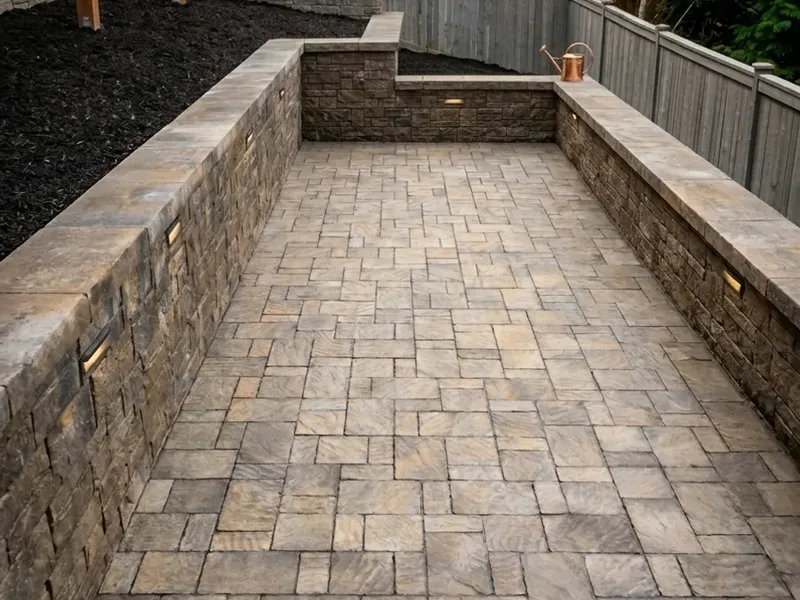
Trade 07 · Landscape Lighting
Path, wall, step and accent lighting that improves safety and changes how the space feels after dark.
Sub-services
Low fixtures that mark walkways, driveways and garden routes so people can see where they are stepping.
Small lights set into walls and seating caps that wash light across the surface.
Lighting on risers and treads so changes in level are visible at night.
Fixtures that highlight trees, planting and features.
Lighting on facades, columns and structures to show off the architecture.
Timers, dimming and controls so lights come on when you want them.
Landscape Lighting
Good lighting does two jobs. It makes steps, paths and edges safe, and it changes the mood of the space so a patio or garden is something you use after sunset, not just look at through a window.
Lighting that is placed carelessly is glary, harsh or patchy. The goal is warm, shielded light that shows what matters and keeps fixtures out of the eye line.
Make it yours
Combining a few lighting types builds depth without lighting everything.
Warm light feels inviting around patios; slightly cooler tones can suit modern materials. We help you choose.
Fixture shape and finish should fit the architecture and fade into the landscape by day.
Some fixtures are meant to be seen; others are tucked into walls, steps or planting.
Choose between simple timers and more flexible controls based on how you will use the lights.
Suppliers & collections
Fixtures, transformers and controllers come from suppliers and manufacturers we work with or can source through. We confirm local availability and specifications during design. Product availability, colors and pricing can change, so a saved link is a selection request, not a guarantee.
Landscape lighting and professional landscape products through SiteOne Landscape Supply.
Visit SiteOne Hardscapes (opens in a new tab)Explore supplier collections, paste the product links you like into your project request, and we will confirm availability, suitability and pricing during design and estimating.
Explore all materials5 Steps
We walk the property, decide what to light and what to leave dark and settle the fixture types.
We plan the transformer location, wire runs and groupings so each circuit is reliable and easy to adjust.
Wire is routed and protected, buried where appropriate and kept clear of areas that will be dug later.
Fixtures are mounted and connected with weather-tight connections and secured against settling.
We return after dark to aim, shield and adjust fixtures and set the timer or controls.
Workmanship coverage and credentials are confirmed in writing with your proposal.
Factors, not prices
More fixtures and specialty types mean more material and labor.
Larger properties and long wire runs add scope.
Capacity needs and transformer locations influence the system.
Hard ground, existing hardscape and planting beds affect how wire is routed.
Housing materials and finishes vary in cost and durability.
Timers, dimming and smart controls add features and cost.
Every property is different. After we assess yours, your proposal sets out the written scope, options and pricing assumptions.
Landscape Lighting
Most residential landscape lighting is low-voltage, with a transformer stepping power down from the house. We confirm the system we recommend for your project.
Yes. Wire routing is easier before hardscape and planting go in, but systems can often be added to finished spaces with careful planning.
Not if they are designed well. We use warm, shielded light and aim fixtures to avoid glare.
Occasional adjustment as plants grow, cleaning lenses and replacing parts as needed. We review care at the walkthrough.
It depends on the number and type of fixtures, area, wire routes and controls. You receive a written scope and pricing after the assessment.
Tell us what you want to change and any materials that have caught your eye. We will help you understand the right next step.